Skip to content

Areas /

Wood

Truffle

Aromatic and medicinal plants

Green chemistry

Pine nuts

Environmental planning and management

Innovation in forestry work

Services /

Product development

Advisory services

Training

Certification

Large‑scale project

Projects /

A building that paves the way: the case of the Forestry Hub

Bioproducts from Mediterranean forest biomass

Association of Truffle Producers of Catalonia

SAMBUCUS Cooperative

Wood and Innovation: the Transformative Force of the PRISMA Project

Soriguera: from agroforestry mosaic to resilient landscape

Recovery of Forests with MALWA Machinery

Bioproducts from
Mediterranean forest biomass

Mediterranean forest management faces an urgent challenge: the accumulation of biomass, increasing wildfire risk, and widespread land abandonment. 

The CTFC launched a strategic initiative to demonstrate that, instead of relying on petroleum and other fossil materials, Mediterranean forest biomass can become a valuable resource for driving the bioeconomy, mitigating climate change, and revitalising the local economy. 

This perspective aligns perfectly with the mission of the Forestry Hub, which supports projects that activate the bioeconomy through forest management and promote resilient landscapes. 

La gestió dels boscos mediterranis afronta un repte urgent: l’acumulació de biomassa forestal, l’augment del risc d’incendis i l’abandonament del territori. Des del CTFC, va sorgir una iniciativa estratègica per demostrar que, en lloc d’utilitzar petroli i altres materials fòssils, la biomassa forestal del Mediterrani pot esdevenir un recurs valuós per impulsar la bioeconomia, mitigar el canvi climàtic i revitalitzar l’economia local. Aquesta aposta connecta plenament amb la missió del Hub Forestal, que té com a objectiu acompanyar projectes per activar la bioeconomia a partir de la gestió forestal i promoure paisatges resilients.

PRO_Biorefineria_logo_Biorefformed

BIOREFFORMED,
using local natural resources

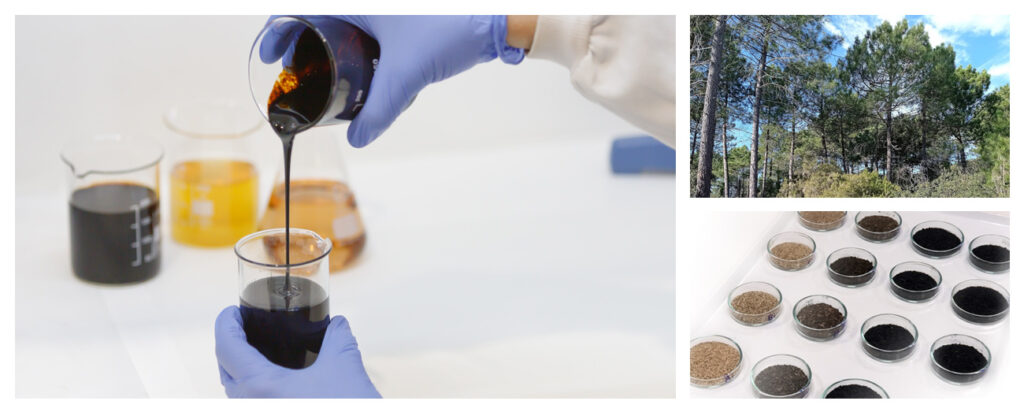
The LIFE BIOREFFORMED European project stands out as a success story in promoting sustainable management of Mediterranean forests through the pyrolytic conversion of forest biomass and the application of biorefinery processes, equivalent to those of a traditional petroleum refinery, but using local natural resources.

In other words: just as a refinery transforms oil into fuels and chemical products, this project demonstrates that the same types of products can be obtained from Mediterranean forest residues.

This is a paradigm shift: using renewable natural resources instead of fossil ones, with both environmental and social benefits.

Environmental criteria

From design to execution, the project applied strict environmental criteria, such as the exclusive use of biomass from sustainable forest management and the integral use of raw material to extract as many products as possible, including:

PRO_Biorefineria_Criteris_icon_1

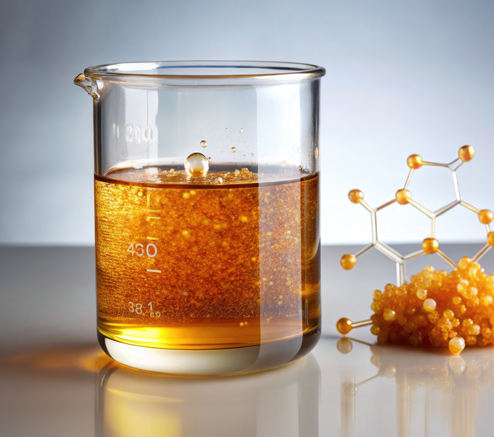
Bio-oil

An organic oil that can be refined to obtain chemicals or fuel

PRO_Biorefineria_Criteris_icon_2

Biochar

A charcoal‑like material with energy and agricultural applications

PRO_Biorefineria_Criteris_icon_3

Humic and fulvic acids

Natural compounds that improve soil quality and plant growth

PRO_Biorefineria_Criteris_icon_4

Phenolic resins

Used to produce plastics, adhesives and coatings

A life‑cycle assessment demonstrated that the system was 3.7 times less impactful than equivalent industrial processes based on petroleum derivatives. This means lower greenhouse gas emissions, reduced waste generation and significantly lower energy use.

Using local material
and applying
scientific knowledge

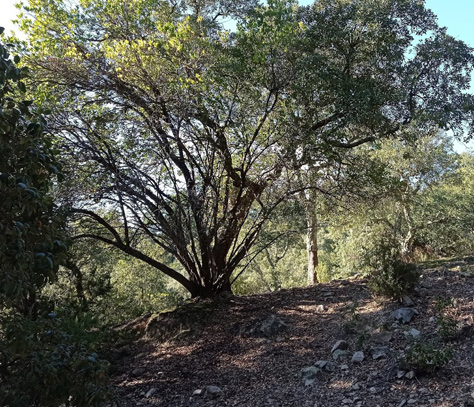
The project relied on biomass from Mediterranean species such as Aleppo pine, stone pine, holm oak, cork oak, chestnut, heather and strawberry tree. These common forest species contribute to maintaining healthy, climate‑resilient forests when managed sustainably.

Scientific knowledge generated at the CTFC was essential for selecting suitable species, determining optimal pyrolysis conditions, defining biorefinery processes, and obtaining high‑value compounds such as bio‑oils, biochar, humic acids and phenolic resins.

Key challenges overcome

One major challenge was adapting pyrolysis technologies to the specific characteristics of Mediterranean biomass, which varies widely by species and origin.

Another was developing biorefinery processes to obtain added‑value products such as:

Certificacio_UnCompromis_icon

Natural aromas for cosmetics and food

Certificacio_UnCompromis_icon
Antioxidant additives for food and supplements
Certificacio_UnCompromis_icon
Bio‑stimulants for crop nutrition
Certificacio_UnCompromis_icon
Phenolic compounds for coatings and adhesives
Following green chemistry principles, the project used clean, scalable techniques suitable for industrial application

A unique case in the Mediterranean

BIOREFFORMED is unique in the Mediterranean for its ability to link forest management with technological innovation, generating new products useful to the chemical, pharmaceutical and agronomic industries:

In chemistry:
Compounds for adhesives, plastics and ecological coatings.

In pharmaceuticals:
Natural antioxidants, excipients for cosmetic products.

In agriculture:
Organic fertilisers and bio‑stimulants.

It proves that bioeconomic value chains can be activated from Mediterranean forests through a territorial, scientific and environmentally viable approach.

A model
for the entire territory

The project assessed the suitability of several sustainably managed Mediterranean species and obtained:

• A liquid fraction (bio‑oil) with chemical compounds of high interest.
• A solid fraction (biochar) with energy and agricultural applications.

The chemical compounds extracted include:

Acids (acetic, formic): disinfectants, preservatives, food intermediates

Sugars (levoglucosan): a precursor for bioplastics or ethanol.

Aldehydes and ketones (acetone, furfural): solvents, fragrances, resins.

Phenolic compounds (guaiacol, cresol): natural antioxidants and pharmaceutical precursors.

Pyrolytic lignin: base for ecological phenolic resins used in adhesives.

Comparison with
fossil‑based industrial processes

Biochar’s calorific value (23–30 MJ/kg) is comparable to mineral coal (24–30 MJ/kg), but with a much lower carbon footprint. Moreover, unlike coal, biochar improves soil water retention and nutrient stability.

Humic and fulvic acids obtained (1.2–2.4 g/100 mL) are as effective as conventional chemical fertilisers, but with lower environmental impact and improved soil health.

For a local and sustainable
economy

The results achieved allow us to promote the economic use of territorial forest species and contribute directly to both climate change mitigation and the economic revitalisation of rural Mediterranean areas.

Through pre‑industrial pyrolysis and testing with local species, the Forestry Hub has demonstrated that conventional refinery processes can indeed be replicated with forest biomass, activating new sustainable economic models aligned with climate and rural development goals.

Technology
at the service of the forest

Certificacio_Aplicable_logo_HUB