Skip to content

Projects /

A building that paves the way: the case of the Forestry Hub

Bioproducts from Mediterranean forest biomass

Association of Truffle Producers of Catalonia

SAMBUCUS Cooperative

Wood and Innovation: the Transformative Force of the PRISMA Project

Soriguera: from agroforestry mosaic to resilient landscape

Recovery of Forests with MALWA Machinery

Services /

Product development

Advisory services

Training

Certification

Large‑scale project

Areas /

Wood

Truffle

Aromatic and medicinal plants

Green chemistry

Pine nuts

Environmental planning and management

Innovation in forestry work

Green
chemistry

QUIMICA_header_icon

We apply science
to transform biomass
into opportunities

Des del Hub Forestal implementem solucions basades en la ciència per transformar biomassa mediterrània en bioproductes d’alt valor afegit. Oferim assessorament i acompanyament tècnic per aplicar processos de biorefineria al territori, adaptats a cada projecte i cada cadena de valor.

Aquest coneixement sorgeix d’anys de recerca aplicada al Centre de Ciència i Tecnologia Forestal de Catalunya (CTFC) i i al Mediterranean Wood Chemistry Lab i ara està a l’abast de persones, empreses i administracions que vulguin aprofitar la biomassa local —de pinedes, alzinars, suredes o matollars— com a recurs productiu, tancant el cicle de la bioeconomia amb solucions viables i circulars.

Footer_logo_HUB_EN

For a bioeconomy
rooted in the territory

What is a biorefinery?

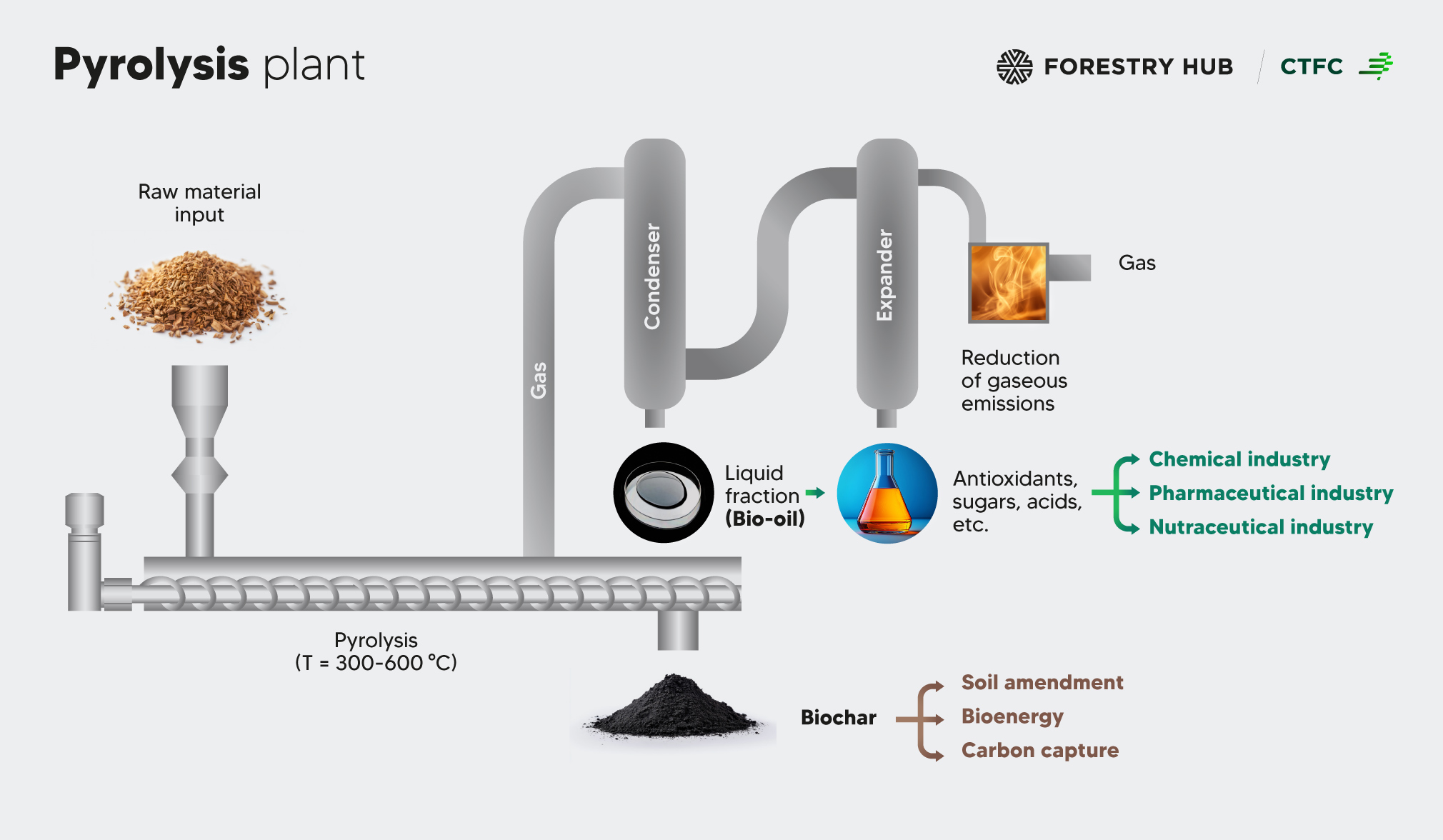
Es tracta d’un sistema que transforma biomassa vegetal (fusta, escorça, fulles, restes de poda o aclarida forestal) en diversos productes útils per a la indústria. El procés clau que fem servir és la piròlisi, una tècnica que escalfant la biomassa a temperatures entre 300 i 500 °C, en absència d’oxigen, permet dividir-la en diferents fraccions:

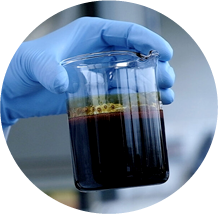
Liquid fraction
(bio-oil):

It contains a complex mixture of compounds such as antioxidants (phenol, catechol), organic acids (acetic, formic), sugars (levoglucosan), aldehydes and ketones. These have applications in cosmetics, fine chemicals, agriculture, and more. They can be separated and purified according to each sector’s needs.

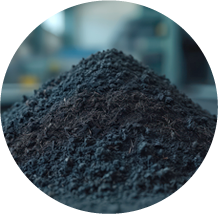
Solid fraction
(biochar):

A renewable biofuel that also improves soil: it enhances water retention, stabilises nutrients, and supports carbon sequestration. Usually marketed as torrefied pellets, it can replace diesel or other fossil fuels in heating or industrial processes.

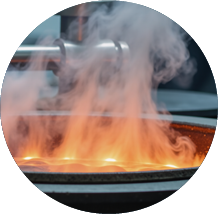
Gaseous
fraction

This fraction can be used as renewable energy within the same system, powering the boiler or pyrolysis reactor and improving the plant’s energy self‑sufficiency.

This approach uses 100% of the biomass, turning low‑value materials into economic and environmental value, without generating waste

What products can be obtained?

From Mediterranean biomass, we can produce:

Natural antioxidants

Such as guaiacol, catechol, phenol or vanillin, applicable in cosmetics, food and pharmaceuticals. For example, vanillin is used as a flavouring in food products (yogurts, sweets, drinks) and as an ingredient in cosmetic creams. These compounds are marketed in the form of liquids or concentrated powders, often in small containers for industry.

Organic acids

Such as acetic acid, used in the chemical industry (solvents and plastics) and in food (as vinegar acid). Available as a concentrated liquid solution or formulated ingredients.

Sugars such as levoglucosan

Used to produce bioethanol, biodegradable plastics, or pharmaceutical intermediates. Relevant for labs and pilot plants

Phenolic resins and pyrolytic lignin

Used for paints, adhesives or composites. Resins are used to make plywood panels, furniture or automotive components. They come as viscous liquids or thermosetting solids

Humic acids and biostimulants

For agricultural use. These compounds improve soil fertility and plant nutrient absorption. They are sold in liquid or granular form and are applied directly to the soil or diluted in water.

Biochar

A solid biofuel that also has a structuring effect on the soil, promoting water and carbon retention. It is used both in organic agriculture and in biomass boilers.

This model represents a real bioeconomy: resilient, circular, Mediterranean‑rooted, and capable of generating positive impact at all levels

What we offer?

At the Forestry Hub, we provide scientific knowledge, infrastructure, and scalability expertise to make possible:
PAM_QueFem_simbol_HUB

Selection of the most appropriate valorisation processes

According to each biomass type.

Technical and scientific advice

Across all phases: collection, treatment, transformation, and product validation.

Connection with laboratories and pilot plants

To test technical and economic feasibility.

Strategic support for companies, start-ups or public projects

Wishing to incorporate green chemistry and circularity into their business models

Why it with us?

We are leaders in applied research and practical implementation in Mediterranean environments. We understand the landscape as a living system that requires efficient, forward‑looking management. As a reference centre, we accompany your project with technical and strategic rigour, helping it to become part of a circular, bio‑based development model

Footer_logo_HUB_EN

For a bioeconomy
rooted in the territory